By Joanna Braniff, Class of 2026.
Peace is more than the absence of war. It needs something quieter, and far harder to sustain: our ability to think deeply together, to listen to people we disagree with, and to remain open to changing our minds. Yet in a world where gamified outrage travels faster than reflection, the spaces where people can sit together, think openly and work constructively are becoming rarer.
After more than three decades working across journalism, politics and civil society, I have attended many leadership programmes. Few have truly changed how I understand leadership. The Centre for Democracy and Peace Fellowship Programme is different. Being part of the 2026 cohort has reshaped how I think about leadership and its role in strengthening democracy.
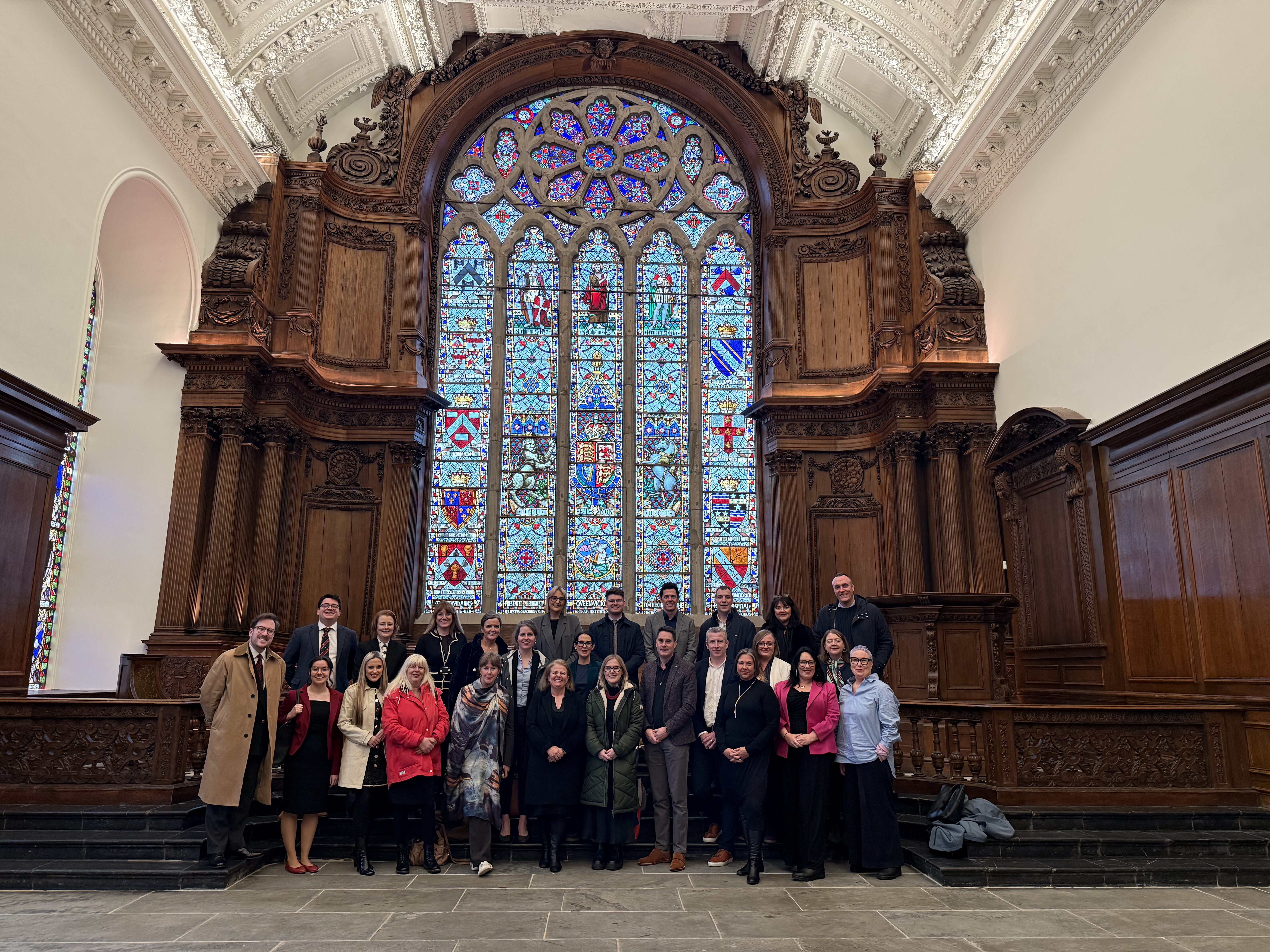
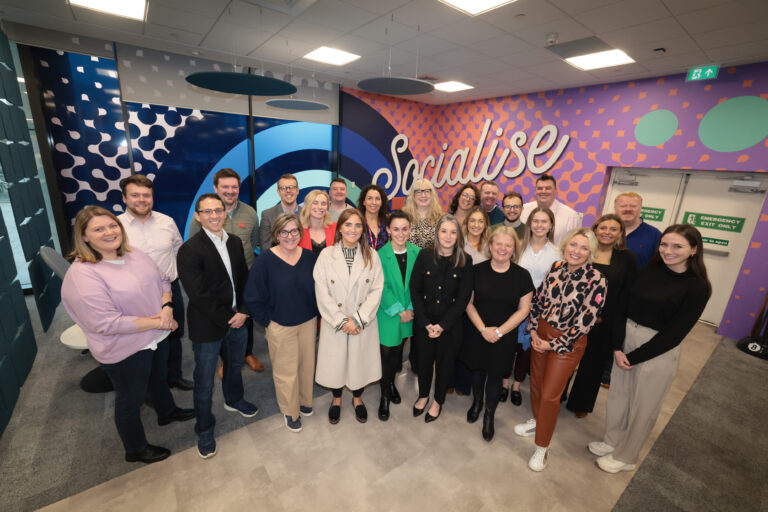
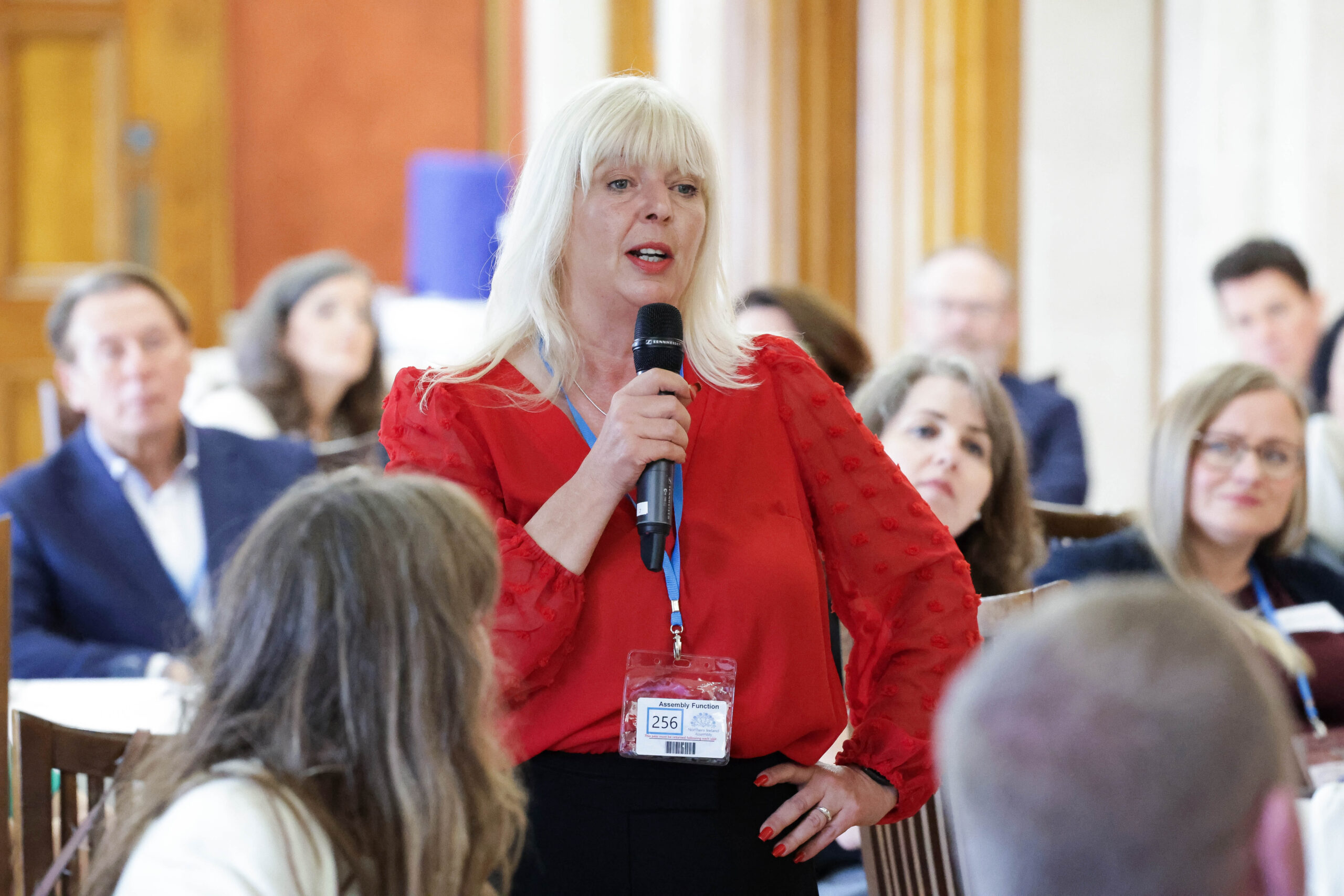
From the very beginning of the programme, what stood out was the quality of conversation. Around the table sat people who would rarely meet in everyday life, let alone spend hours in honest productive discussion: business leaders beside community organisers, civil servants alongside activists and academics, people with very different political views, professional backgrounds and life experiences.
In truth, this is what society actually looks like. And that is precisely what makes the Fellowship powerful. It breaks away the walls from the familiar siloed model of experts speaking only within their own fields. Here, everyone sits as equals. Every perspective is welcomed. Every form of knowledge, professional or lived, is valued. And something remarkable begins to happen. People listen to understand.
The professional instinct to compete softens into curiosity. Instead of trying to win arguments, participants explore ideas together. Assumptions are challenged. Evidence is tested. Sometimes, people even change their minds. In a culture increasingly shaped by certainty, speed and noise, that feels almost radical. But this is exactly what democracy requires.
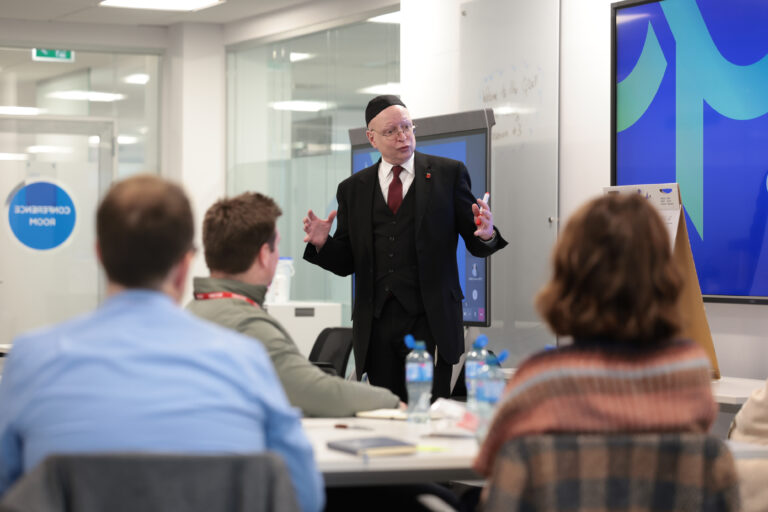
Peace and democracy are not sustained by authority. They depend on citizens willing to disagree constructively, to question assumptions and to approach leadership slowly with humility as well as conviction to find fair solutions. Leadership, in that sense, is not about power. It is about responsibility. The Fellowship creates a rare environment where that kind of leadership can grow, guided by pathfinder experts from business, politics, civic society and academia who challenge us to think differently and see familiar problems with fresh eyes.
There is also something refreshingly human centred about this programme. It creates room to experiment, to reflect and to fail without fear of judgement. The motivation here is not professional advancement or commercial success. It is something deeper: a shared curiosity about how we live together, and how we might build a better future for Northern Ireland.
One phrase from the programme will stay with me: don’t build a bigger wall; build a longer table. That simple idea captures something profound about leadership. Leadership is not about protecting territory. It is about extending the invitation and creating spaces where people who might never normally meet can share ideas, perspectives and experiences.
Evidence proves democracy works best when everyone has a seat at the table because that’s where the equitable solutions exist. Peace and progress are sustained by people willing to think deeply, listen generously and work patiently across difference.
Over seven remarkable Fellowship programme months I have come to understand something simple but powerful: civil society is kept alive around tables like these, where more chairs are pulled up, the table grows longer, every voice matters, and the challenging work of democracy is generously shared, like broken bread, from hand to hand.
——
To keep up to date with the Fellowship Programme, follow the CDP Instagram and LinkedIn accounts, as well as subscribing to our newsletter.